UV cylindrical printers represent one of the most versatile advancements in modern direct-to-object printing. Capable of producing sharp, full-wrap designs with instant-curing UV inks, these machines allow businesses to decorate curved surfaces with exceptional durability and visual appeal. From custom drinkware and cosmetic packaging to industrial marking and promotional products, the technology opens up numerous creative and commercial possibilities — provided you understand which materials work best.
This detailed guide breaks down the full spectrum of compatible substrates for UV cylindrical printing, examines practical applications, outlines key influencing factors, and offers guidance on choosing the right equipment. UVmoon’s innovative high-speed and high-drop models are frequently chosen for their robust performance and adaptability across various production environments.
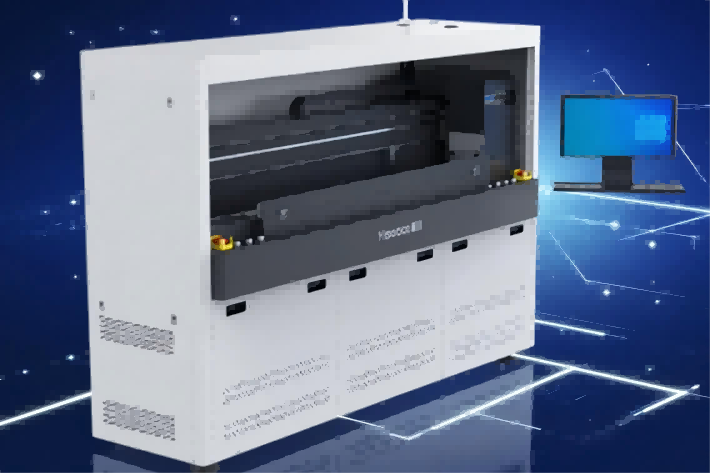
Material compatibility is the foundation of excellent results with a UV cylindrical printer. UV cylinder printers use rotary mechanisms to apply ink directly onto curved and conical objects, achieving smooth 360° coverage without relying on labels or wraps. Strong adhesion relies on proper surface preparation, ink formulation, and controlled curing.
UV inks stand out by forming tough, scratch-resistant layers on diverse substrates. This versatility makes UV cylindrical printers ideal for both short-run custom work and higher-volume production. As personalization demand increases in packaging and promotions, UV cylinder printers continue to gain traction for direct-to-shape applications. Features like adjustable fixtures and laser alignment help manage common challenges such as diameter variations and surface curvature.
Small-batch testing is highly recommended to refine settings for specific jobs. For a closer look at available options and detailed specifications, you can explore UVmoon’s complete lineup of advanced UV cylindrical printers .
Glass, plastics, and polymers are among the most popular substrates for this technology. They play a major role in beverage, cosmetic, and consumer goods packaging.
Glass provides a premium finish. UV cylinder printers create elegant full-wrap designs on wine bottles, drinking glasses, candle holders, and jars. Instant curing ensures sharp details on smooth surfaces, and with appropriate inks or primers, prints hold up well to washing and regular handling. Transparent items particularly benefit from advanced curing methods.
Plastics and acrylics (including PET, PP, HDPE, and Tritan) accept bright, detailed graphics on cups, tubes, and bottles. Ink selections can be adjusted for flexibility or rigidity, though some plastics may require light surface treatment for optimal longevity.
Specialty polymers extend applications into areas like medical tubing or technical components, where prints must endure sterilization or demanding conditions. High-efficiency UV cylindrical printers make scaling production on these materials both practical and effective.
Metals open up further premium and functional opportunities. Aluminum, stainless steel, and coated metals deliver strong, attractive results on water bottles, travel mugs, tins, and industrial components. These prints typically offer excellent scratch and fade resistance, with white ink layers helping colors stand out on reflective surfaces.
Wood, bamboo, ceramics, and coated composites also perform reliably. Natural textures on wood or bamboo enhance artistic custom gifts and tools, while ceramics suit decorative mugs and vases with minimal preparation. Applications span branded packaging, promotional merchandise, and durable industrial markings. UV cylinder printers help reduce waste compared to traditional labeling while supporting more sustainable, on-demand production.
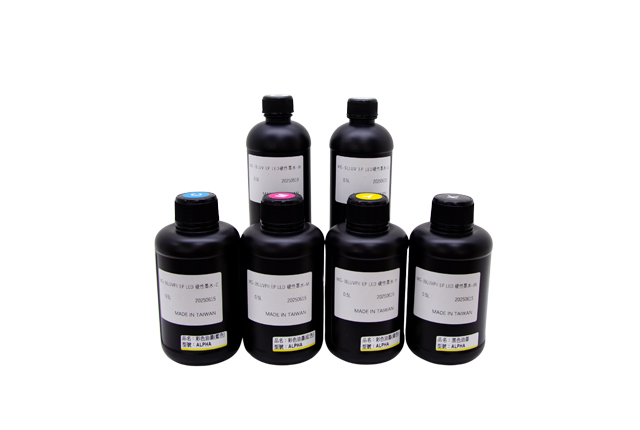
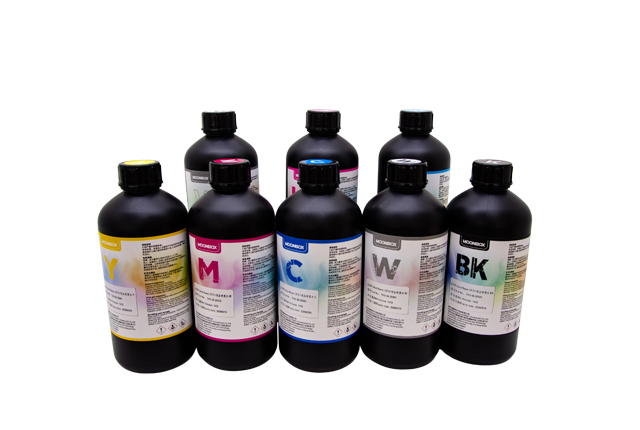
Several factors influence overall quality and durability. Thorough cleaning combined with priming improves bonding on challenging surfaces. Multi-channel ink systems (CMYK plus white and varnish) enable customization for gloss, texture, or specific resistance properties.
Balanced curing ensures inks harden properly without damaging the substrate. Machine precision in head positioning, rotation speed, and resolution is essential for consistent results on curved forms. Stable environmental conditions and regular calibration further minimize issues like adhesion failure or overspray. A methodical testing approach tailored to each material consistently delivers superior outcomes with a UV cylindrical printer.
Material Compatibility with UV Cylindrical Printers
| Material | Adhesion Level | Common Applications | Pre-Treatment Needed | Durability Highlights | Example UV Cylinder Printer Suitability |
|---|---|---|---|---|---|
| Glass | Excellent | Bottles, glassware, jars | Minimal/Primer | Scratch-resistant, dishwasher-safe | High (Transparent-friendly models) |
| Plastic/Acrylic | Good-Excellent | Cups, tubes, cosmetic packaging | Often required | Flexible, chemical-resistant | Excellent (Flexible ink support) |
| Metal | Excellent | Tumblers, cans, industrial parts | Minimal | High abrasion & fade resistance | Excellent (White ink base recommended) |
| Ceramic | Very Good | Mugs, vases | Minimal | Heat & wear resistant | Good |
| Wood/Bamboo | Good | Custom gifts, tools | Light | Natural texture enhancement | Good |
| Polymers | Good-Very Good | Medical tubing, specialty items | Varies | Sterilization compatible | Specialized setups |
This overview demonstrates the broad adaptability of UV cylinder printers when settings are properly matched to each substrate.
Choosing the right UV cylindrical printer involves aligning capabilities with your primary materials, production scale, and product dimensions. Important aspects include supported size ranges, speed, and the ability to handle irregular shapes. Intuitive software and flexible fixtures streamline daily operations, while versatile ink systems offer room for growth.
For personalized recommendations or to discuss specific requirements for your projects, feel free to contact the UVmoon team. Their UV cylinder printers balance performance features suitable for businesses of various sizes. Evaluating maintenance ease, efficiency, and long-term reliability helps ensure strong return on investment through consistent quality and minimized waste.
UV cylindrical printers and UV cylinder printers create rich opportunities for decorating glass, plastics, metals, ceramics, and other surfaces with durable, visually appealing results. Their direct printing capabilities align effectively with today’s customization and manufacturing needs. By paying attention to material properties and process details, businesses can achieve outstanding quality and creative flexibility.
Whether handling small personalized orders or scaling to larger production, the right equipment makes a meaningful difference. UVmoon develops practical, high-performance solutions tailored to real industry demands. If you’re ready to take the next step, exploring available models and reaching out for expert guidance can help align the technology with your specific goals.
It enables seamless 360° direct decoration with superior durability, reduced waste, and faster customization.
Yes. Advanced curing techniques and correct settings deliver excellent clarity and quality on transparent materials.
Requirements vary. Many rigid materials need minimal preparation, while certain plastics benefit from primers or cleaning.
High-speed models commonly achieve 200–400+ units per hour, depending on design complexity and configuration.
With certified inks, results are generally waterproof, scratch-resistant, and can meet relevant safety standards.
Focus on size capacity, drop height handling, speed, and material support that best match your products and volume targets. Expert consultation helps identify the ideal fit.


 English