When customers receive a customized water cup, the first thing they notice is usually the printed design. Whether it is a brand logo, promotional pattern, or personalized artwork, the quality of the print directly affects the overall impression of the product. This is why many manufacturers are turning to UV printing technology to create more detailed and durable drinkware decoration.
However, achieving a perfect result in UV printing on water cup production can involve several challenges. Different cup materials, surface conditions, ink characteristics, and machine settings can all influence the final print effect. Even with advanced equipment, improper preparation or incorrect parameters may result in problems such as poor adhesion, inaccurate colors, or uneven graphics.
For companies investing in a UV printer for cups, understanding these common issues is essential for improving production efficiency and maintaining consistent quality. By optimizing each step of the printing process, businesses can reduce defects, improve customer satisfaction, and produce customized cups with a more professional appearance.
This guide explains the major challenges in UV cup printing and provides practical solutions to help manufacturers improve print quality and build a more stable production workflow.
During UV printing on water cup production, manufacturers may encounter different printing defects that affect the appearance and durability of the final product. Understanding the causes behind these problems helps operators make targeted adjustments instead of relying on repeated trial and error.
One of the most common problems is poor ink adhesion. When UV ink cannot properly bond with the cup surface, the printed layer may peel, scratch, or lose its original appearance after use. This issue is often related to surface contamination, unsuitable ink selection, insufficient curing, or incorrect printing parameters.
Color inconsistency is another frequent challenge, especially for businesses producing large quantities of customized cups. Differences in ink supply, color calibration, print modes, or machine conditions may cause the same design to appear different between production batches.
| Common Print Issue | Possible Causes | Practical Improvement |
|---|---|---|
| Ink peeling or weak adhesion | Dirty surface, incompatible material, insufficient curing | Improve surface preparation, select suitable ink, and optimize UV curing settings |
| Uneven color performance | Incorrect color calibration, unstable ink supply, unsuitable print settings | Adjust color profiles and maintain stable ink management |
| Blurred or unclear graphics | Incorrect print distance, unsuitable resolution, unstable positioning | Optimize printer parameters and improve cup positioning accuracy |
| Design misalignment | Curved surface, inconsistent loading, inaccurate fixtures | Use reliable positioning systems and standardize operation procedures |
| Low print durability | Incomplete curing or poor material compatibility | Test materials and adjust curing conditions before production |
For businesses using a UV printer for cups, solving these issues requires a combination of suitable equipment, correct operating procedures, and continuous quality monitoring.
The surface characteristics of water cups have a direct impact on printing quality. Unlike flat printing materials, cups are produced from various materials with different surface energy and chemical properties, which means each type requires appropriate preparation before printing.
Stainless steel tumblers are among the most common products used for customization because they are durable and have a premium appearance. However, their smooth metal surface makes ink adhesion more challenging. Small amounts of oil, dust, or fingerprints can create weak bonding areas and affect the final print durability.
Glass cups require careful handling because the surface is smooth and non-porous. Without proper preparation, the ink layer may not achieve sufficient adhesion. Plastic cups can also present challenges because different plastic materials may react differently with UV inks.
A reliable printing process starts with understanding the material before production. Cleaning the surface, checking compatibility between ink and substrate, and performing sample tests are important steps for avoiding large-scale production problems.
UV Moon provides UV printing solutions designed for different customization applications. Businesses can review suitable equipment options through the UV Moon UV printer product solutions to find a machine that matches their materials, production requirements, and application goals.
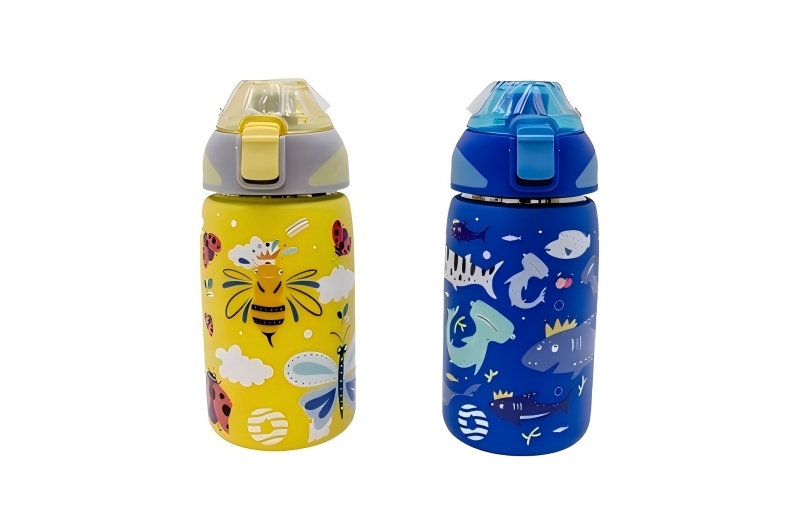
Ink adhesion and color accuracy are two important factors that determine whether a customized cup meets customer expectations. A visually attractive design is not enough if the printed surface cannot maintain its quality during daily use.
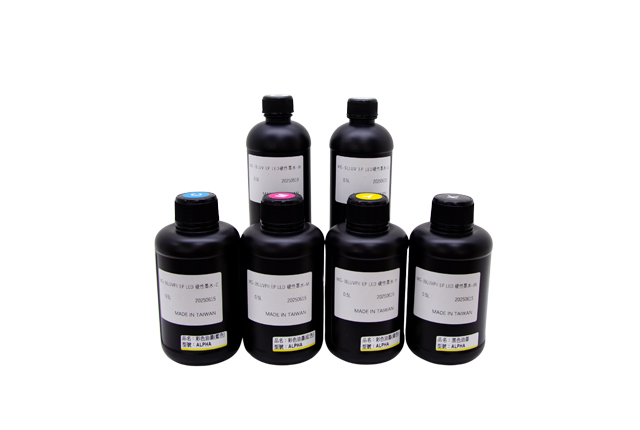
The first step to improving adhesion is choosing the correct ink system for the target material. UV inks are designed with different characteristics, and selecting an unsuitable combination may result in cracking, peeling, or reduced durability.
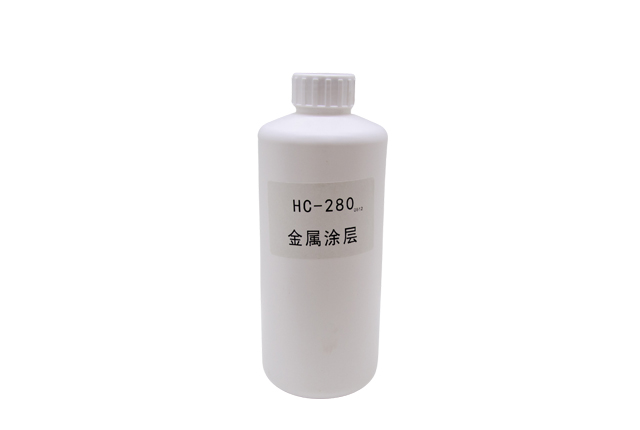
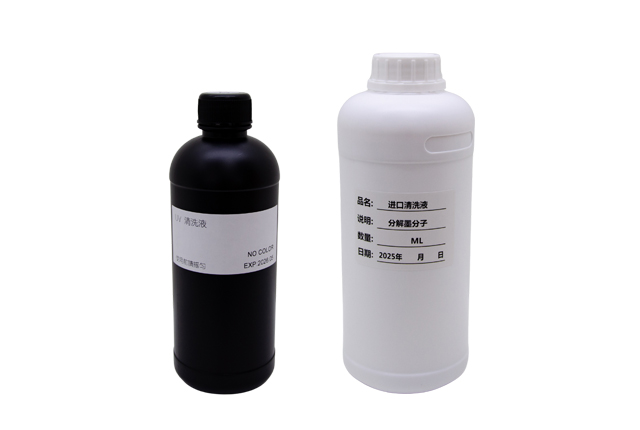
Surface preparation also plays a major role. Even high-performance UV ink cannot achieve stable results on a contaminated or unsuitable surface. Proper cleaning and, when necessary, surface treatment help create better conditions for ink bonding.
Color performance depends on accurate machine adjustment. Factors such as ICC profiles, ink circulation, printing mode, and curing settings should be optimized according to the specific application. A well-maintained uv printer for cups can provide more stable color output and reduce variations between different production batches.
Printing on curved cup surfaces is one of the biggest technical challenges in drinkware customization. Unlike flat materials, cylindrical products require precise positioning to ensure that logos, patterns, and images appear exactly where they are expected.
Even a small positioning error can affect the appearance of the final product. A logo may look tilted, a large image may become distorted, or a pattern designed for wrapping around the cup may not align correctly.
To improve accuracy, manufacturers should pay attention to fixture stability, cup placement methods, and print height adjustment. Rotary devices and positioning systems help maintain consistent placement during printing, while standardized loading procedures reduce differences between individual products.
Design preparation is also important. Artwork should be created with the cup shape in mind, especially when printing large graphics or designs that extend around the entire surface.
Printer settings have a direct influence on the final quality of UV printing on water cup applications. The same machine may produce different results depending on resolution, printing speed, ink layers, and curing parameters.
For detailed artwork, higher resolution settings can improve image clarity and reproduce fine details more accurately. However, production speed and printing requirements should also be considered to maintain an efficient workflow.
White ink management is another important factor, especially when printing on dark-colored cups or transparent materials. Proper control of white ink layers can improve color brightness and visual depth.
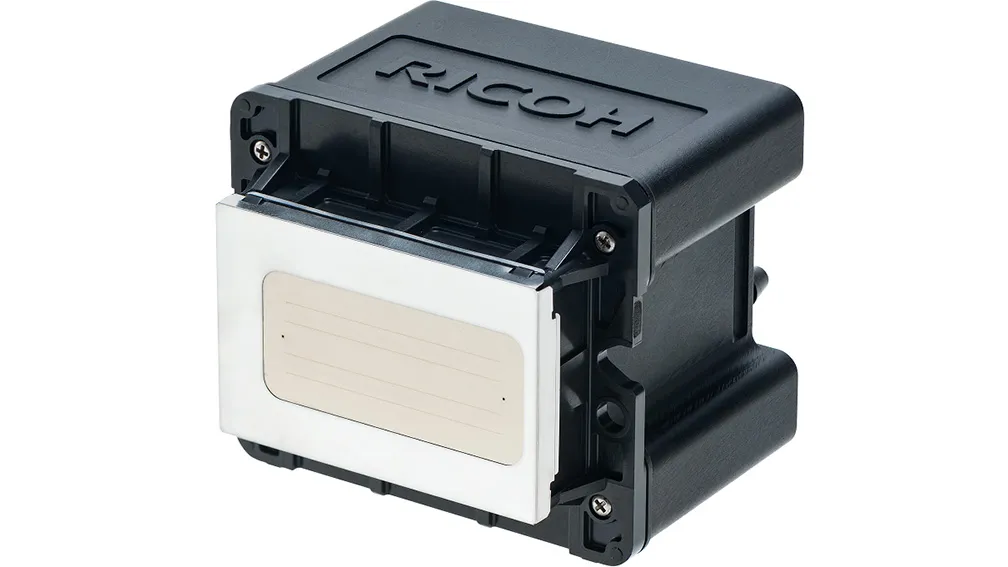
The distance between the printhead and the cup surface should also be carefully adjusted. Incorrect distance settings may reduce sharpness and affect ink placement accuracy.
Regular maintenance is equally important. Cleaning the printhead, checking the ink system, and maintaining the UV curing unit help prevent unexpected quality issues and keep production stable.
Achieving consistent results in UV printing on water cup production requires more than purchasing advanced equipment. A complete workflow that combines equipment selection, material testing, process control, and maintenance is necessary for long-term production stability.
Before starting large-scale production, businesses should test different cup materials and record successful printing parameters. Creating standardized operating procedures allows operators to repeat successful results and reduce unnecessary adjustments.
Production conditions should also be monitored regularly. A clean working environment, proper equipment maintenance, and timely replacement of consumable parts all contribute to better printing consistency.
For companies that need guidance on selecting equipment or improving their existing printing process, UV Moon provides professional UV printing solutions and technical support. Businesses can contact UV Moon to discuss their cup printing requirements and find a suitable solution for their production goals.
High-quality UV cup printing depends on the balance between equipment performance, material preparation, ink technology, and production management. Problems such as poor adhesion, inaccurate positioning, and inconsistent colors are usually caused by process gaps that can be improved through proper optimization.
By selecting the right UV printer for cups and establishing a reliable printing workflow, manufacturers can achieve better efficiency, reduce production waste, and deliver customized water cups with stronger visual appeal and durability.
As demand for personalized drinkware continues to grow, businesses that focus on improving printing quality and production stability will be better positioned to meet customer expectations and create higher-value products.
UV ink may peel because of poor surface preparation, unsuitable ink compatibility, or insufficient curing. Cleaning the surface and optimizing printing parameters can improve adhesion.
Yes. A suitable uv printer for cups can print on stainless steel tumblers when the surface is properly prepared and compatible UV inks are used.
Color calibration, stable ink management, proper print settings, and regular machine maintenance help maintain consistent color performance.
No. The requirement depends on the cup material and ink characteristics. Testing before production is recommended.
Image distortion is usually related to inaccurate positioning, incorrect print height, or unsuitable artwork preparation. Proper fixtures and settings can reduce this problem.
Consider material compatibility, print quality, production capacity, maintenance requirements, and technical support when selecting a UV printer for cup customization.


 English