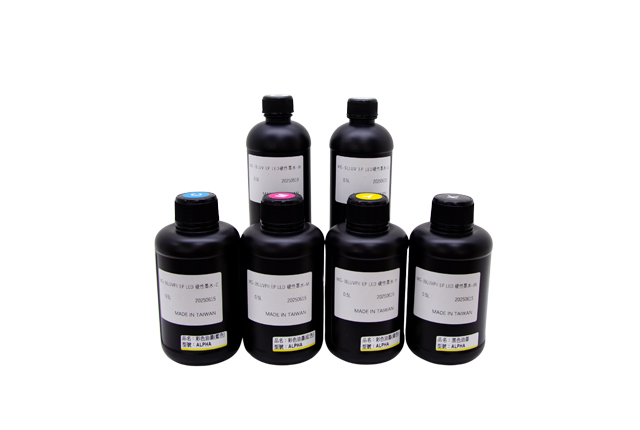
Flexible materials create unique challenges for UV printing. Unlike rigid surfaces such as glass, metal, or acrylic, flexible substrates can bend, stretch, fold, or change shape during use. If the printed ink layer becomes too hard after curing, it may lose contact with the moving surface and eventually develop cracks, peeling, or adhesion problems.
This is why more manufacturers are paying attention to UV soft ink for applications where print durability and flexibility are equally important. By maintaining a certain level of elasticity after curing, UV soft ink allows printed graphics to better follow the movement of flexible materials while keeping colors and details intact.
From flexible packaging and silicone products to curved plastic components and customized promotional items, the choice of ink directly affects the final product performance. Working with an experienced UV ink manufacturer helps companies select the right formulation, optimize printing conditions, and avoid common problems that appear during mass production.
This article explains how UV soft ink works, why it helps prevent cracking and peeling, and what manufacturers should consider when selecting ink for flexible printing applications.
The biggest difference between UV soft ink and conventional UV ink lies in the behavior of the cured ink film. Traditional UV inks are designed to create a hard and wear-resistant surface, which makes them suitable for rigid materials that remain stable after printing. However, this hardness can become a limitation when the printed product needs to bend or deform.
UV soft ink is developed with a more flexible formulation. After UV curing, the ink layer maintains better elasticity, allowing it to move together with the substrate instead of separating from it when stress occurs.
For flexible printing applications, several properties determine whether an ink can deliver reliable performance:
| Performance Factor | Standard UV Ink | UV Soft Ink | Impact on Flexible Printing |
|---|---|---|---|
| Cured ink flexibility | Harder surface with limited movement | More elastic cured film | Reduces cracking when materials bend |
| Resistance to deformation | May break under repeated stress | Better ability to follow substrate movement | Improves durability on flexible products |
| Substrate compatibility | Mainly designed for rigid materials | Suitable for flexible and curved surfaces | Expands possible printing applications |
| Surface performance | Focuses on hardness and scratch resistance | Balances durability with flexibility | Maintains print appearance during use |
For manufacturers, selecting ink is not only about achieving attractive colors. The ink must match how the final product will be used. A package that is frequently folded, a silicone accessory that is repeatedly compressed, or a flexible plastic component all require different levels of flexibility.
A reliable UV ink manufacturer can help evaluate these requirements and recommend a suitable ink system based on the substrate, production method, and expected product lifespan.
In flexible printing, the biggest challenge is the relationship between the ink layer and the material underneath. When a flexible product bends, the substrate changes shape. If the cured ink cannot move with it, stress builds up between the two layers.
Over time, this stress may cause visible damage. Fine cracks can appear on the printed surface, edges may begin to peel, and the overall appearance of the product can deteriorate.
UV soft ink reduces this problem by providing a cured layer that can absorb part of the mechanical stress. Instead of resisting every movement, the ink layer adapts to the deformation of the substrate.
This characteristic makes UV soft ink suitable for products that require both visual quality and functional durability. Manufacturers can print detailed graphics on materials that were previously difficult to decorate with traditional UV inks.
For example, flexible packaging may require printing that remains intact after folding, while silicone or soft plastic products may need ink that withstands repeated handling. In these cases, ink flexibility becomes just as important as color accuracy.
Choosing the right ink formulation is often the difference between a print that looks good immediately after production and a print that continues to perform throughout the product’s service life.
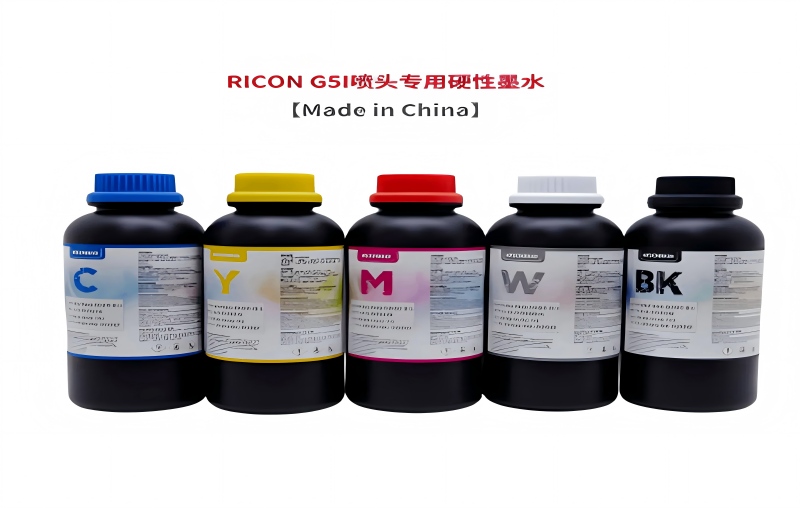
Ink cracking and peeling are common concerns when printing on flexible materials. These issues usually occur because the ink properties, substrate characteristics, and production settings are not properly matched.
One common cause is using an ink with insufficient flexibility. When a rigid ink layer is applied to a material that bends or stretches, the substrate movement creates stress that the ink cannot absorb.
Surface condition is another important factor. Flexible materials may contain residues, oils, or additives that affect adhesion. Without proper cleaning or surface preparation, even high-quality UV soft ink may not bond effectively.
Curing conditions also influence the final performance. UV curing needs to provide enough energy to solidify the ink properly while maintaining the flexibility required for the application. Incorrect curing settings can affect both adhesion and elasticity.
| Printing Problem | Main Reason | Improvement Method |
|---|---|---|
| Cracks appear after bending | Ink layer is too rigid for the substrate | Use a flexible UV ink formulation designed for deformation |
| Ink separates from the surface | Poor adhesion or contaminated substrate | Improve surface preparation and material compatibility testing |
| Print quality changes between batches | Unstable production parameters | Standardize ink settings and curing conditions |
| Color performance decreases | Incorrect ink management or unsuitable printing conditions | Optimize ink handling and printer calibration |
Before large-scale production, manufacturers should test the combination of substrate, ink, and printing conditions. This approach helps identify potential problems before they affect a large quantity of finished products.
Different flexible materials require different ink characteristics. There is no single UV soft ink formula that works equally well for every application.
Flexible plastics may require strong adhesion and resistance to repeated movement. Silicone products often require specially developed ink solutions because silicone surfaces are naturally difficult for many inks to bond with. Flexible films may need excellent elasticity to maintain print quality during folding, packaging, or transportation.
When selecting UV soft ink, manufacturers should evaluate the relationship between the printed product and its actual working environment. A decorative item with limited movement requires different performance compared with a component that is constantly bent or compressed.
Important factors include substrate compatibility, required flexibility, curing equipment, production speed, and expected durability. Testing samples before full production is usually the most effective way to confirm whether an ink meets the application requirements.
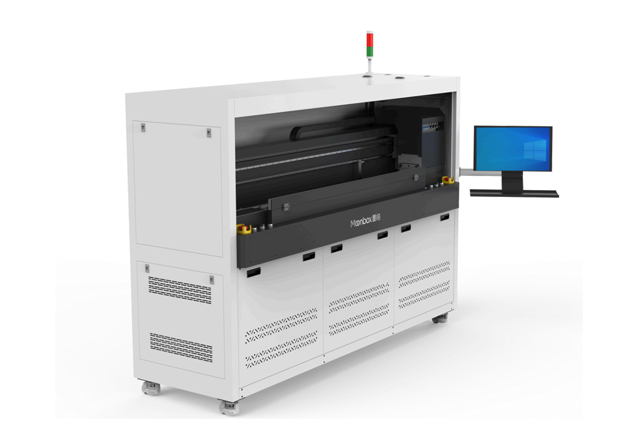
UV Moon works with customers looking for suitable UV printing solutions across different industries. Manufacturers can review available equipment and printing options through the UV Moon product solutions page when planning flexible printing applications.
Even the best UV soft ink requires proper process control to deliver stable results. Printing quality depends on the complete production system, including surface preparation, printer settings, curing conditions, and maintenance procedures.
Before printing, the substrate surface should be properly prepared. Removing contaminants and ensuring consistent material handling helps create a stable foundation for ink adhesion.
Printer parameters should also be adjusted according to the specific ink and substrate combination. Ink volume, printing speed, and UV curing intensity can influence the balance between flexibility, adhesion, and visual quality.
Regular equipment maintenance is another factor that affects consistency. Printhead condition, ink circulation, and curing system performance should be monitored to avoid unexpected variations during production.
Experienced suppliers can provide valuable technical support during this process. A professional UV ink manufacturer can help manufacturers understand ink behavior and adjust printing conditions according to real production requirements.
For manufacturers, choosing a UV ink supplier is a long-term decision rather than a simple material purchase. The quality and stability of the ink directly influence production efficiency, product durability, and customer satisfaction.
A capable UV ink manufacturer should have strong formulation experience, consistent quality control, and the ability to provide technical recommendations for different substrates.
Manufacturers should also consider whether the supplier can support application testing. Flexible printing often involves unique materials and specific production conditions, so practical testing is essential before commercial production.
UV Moon focuses on UV printing technology and provides solutions for businesses that require reliable printing performance across different applications. Companies with specific flexible printing requirements can contact UV Moon for technical consultation and application support.
Flexible printing requires an ink solution that can maintain appearance and adhesion even when products experience bending, stretching, or repeated movement. Compared with traditional UV inks, UV soft ink provides greater flexibility and helps reduce problems such as cracking and peeling on deformable surfaces.
However, successful flexible UV printing depends on more than ink selection. The substrate, surface preparation, printer settings, curing conditions, and production process all influence the final result.
By selecting suitable UV soft ink and working with an experienced UV ink manufacturer, businesses can improve print durability, expand application possibilities, and create products that maintain their quality throughout their service life.
UV soft ink is used for flexible printing applications where the printed surface needs to withstand bending, stretching, or deformation without cracking.
UV soft ink creates a more flexible cured layer, while regular UV ink usually forms a harder surface designed for rigid materials.
Yes. Its flexible formulation allows the ink layer to move with the substrate, reducing stress that causes cracks.
UV soft ink can be used on various flexible materials, including certain plastics, films, silicone products, and deformable surfaces.
Poor adhesion may result from surface contamination, unsuitable substrate compatibility, or incorrect printing and curing conditions.
Look for a supplier with strong formulation experience, stable product quality, application knowledge, and technical support capabilities.


 English