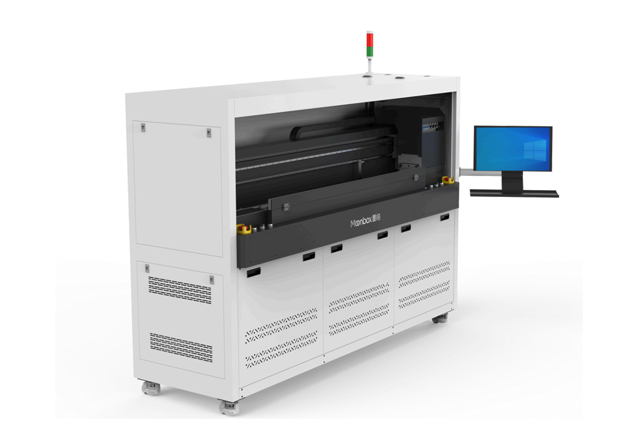
A modern UV printer for sale is no longer a single-purpose machine for flat signs. In 2026, UV platforms help print shops and factories expand into higher-margin customization — drinkware, promotional items, packaging prototypes, and short-run personalization. This guide shows how the UV cylinder digital printer unlocks new product categories, what capabilities matter, and how to evaluate ROI before you invest.
| Market Force | Impact on Print Businesses |
|---|---|
| Short-run and personalization demand | Customers want 1–50 units with variable artwork |
| E-commerce product customization | Direct-to-object decoration at accessible MOQ |
| Corporate gifting and events | High-margin, fast-turnaround orders |
| Packaging prototyping | Brands need physical samples before full production |
A flatbed UV printer covers signs and flat items. Adding a rotary axis opens an entirely different product universe.
| Product | Substrate | Application |
|---|---|---|
| Tumblers and bottles | Stainless, aluminum, coated plastic | Promotional gifts; retail merch |
| Cosmetics containers | Glass; plastic tubes; aluminum caps | Short-run branded packaging |
| Industrial cylinders | Metal and plastic | Part marking; serial numbers |
| Candle jars | Glass | Boutique product branding |
| Category | Why High Margin | Entry Requirement |
|---|---|---|
| Corporate gifting | Time pressure justifies premium pricing | Rotary capability; fast artwork turnaround |
| Retail product decoration | Brands pay for quality on small batches | Adhesion testing on each substrate |
| Packaging samples | Designers pay well for physical prototypes | Flatbed sufficient for boxes |
| Industrial marking | Repeat contract revenue | Consistency and traceability |
| Personalized consumer products | High per-unit value; growing online demand | Variable data printing capability |
Pick two or three categories where you already have customer relationships or local demand. Confirm the substrates require are supported by the machine you are buying. Build a sample portfolio in those categories before pursuing others.
| Capability | What It Enables | When Essential |
|---|---|---|
| White ink | Opaque base on dark or transparent materials | Any colored, metallic, or clear substrate |
| Gloss varnish | Shine; protection; spot effects | Premium decoration; moisture resistance |
| Matte varnish | Soft, anti-reflective finish | Cosmetics; luxury aesthetics |
| Raised texture | Multi-pass 3D tactile effect | Premium packaging; high-end gifting |
| Variable data | Unique serial, QR, or name per unit | Personalization; industrial marking |
Curing consistency: under-cure produces soft, scratched prints — verify lamp intensity across the full run
Banding control: visible bands indicate print head or transport issues — test on your substrates before purchase
Color stability: Delta E tolerance should be confirmed with the supplier, not assumed
Adhesion: always test your actual substrates — not demo materials
| Factor | What to Verify |
|---|---|
| Print speed | Test at production speed — not demo speed |
| Changeover time | Time the fixture changeover yourself during a demo |
| Waste rate | Test your most difficult substrates before buying |
| Uptime | Ask for MTBF data and service response time |
| Cost Item | Frequency |
|---|---|
| Ink consumption | Per job |
| UV lamp or LED replacement | Every 1,000–3,000 hours |
| Scheduled maintenance | Monthly or quarterly |
| Jig and fixture investment | Per new substrate category added |
Choose two or three target products. Estimate monthly order volume and selling price per unit. Calculate monthly gross margin, subtract ink and maintenance costs, divide the machine price by net monthly contribution. A 12–24 month payback is typical for a well-matched investment.
| Specification | Notes |
|---|---|
| Flatbed print area | Must cover your largest flat substrate |
| Rotary diameter range | Confirm against your bottle and tumbler range |
| Rotary print length | Must cover your tallest bottle |
| Resolution | 720–1080 dpi minimum for detailed graphics |
| Ink channels | CMYK + white + varnish minimum |
| Curing type | LED-UV preferred — lower cost, no mercury |
RIP software: confirm compatibility with your design tools and variable data support
Templates: does the supplier provide templates for common bottle sizes?
Installation and training: must be included — not optional extras
Spare parts: confirm availability and lead time at your location
Warranty: confirm response time for production-stopping faults
A UV printer for sale is a revenue platform, not a single product tool. With rotary capability, white ink, effects varnish, and reliable curing, a shop expands beyond signage into customized products and short-run work. Select the right UV cylinder digital printer configuration based on your target substrates, throughput goals, and the categories where your customers are already spending.
Tumblers, bottles, cosmetics containers, promotional items, packaging prototypes, phone cases, and industrial part marking — depending on whether your printer has a rotary attachment and the required ink channels (white, varnish).
Q2: What is a UV cylinder digital printer used for?
Printing directly onto cylindrical objects — bottles, tumblers, tubes, jars — using a rotary axis that rotates the object under the print head for 360° or partial-wrap decoration without the setup cost and minimum run constraints of screen printing.
Q3: Do I need white ink and varnish?
White ink is essential for any non-white substrate — metallic, dark, transparent, or colored. Without it, CMYK on a dark surface produces muddy results. Varnish adds premium finishes and protection but is application-dependent.
Q4: What should I test before buying a UV printer?
Test your actual target substrates for tape adhesion, dry rub resistance, soak resistance, and color accuracy at your expected production speed. Time the fixture changeover between bottle sizes. These tests reveal real performance rather than specification claims.
Q5: How do I estimate ROI for a UV printer investment?
Select two or three target products, estimate monthly order volume and gross margin, subtract monthly ink and maintenance costs, and divide the machine price by net monthly contribution to get the payback period. A 12–24 month payback is a reasonable target for a well-matched configuration.


 English