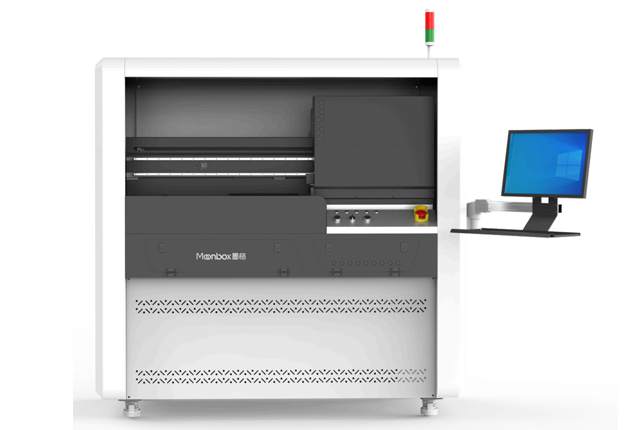
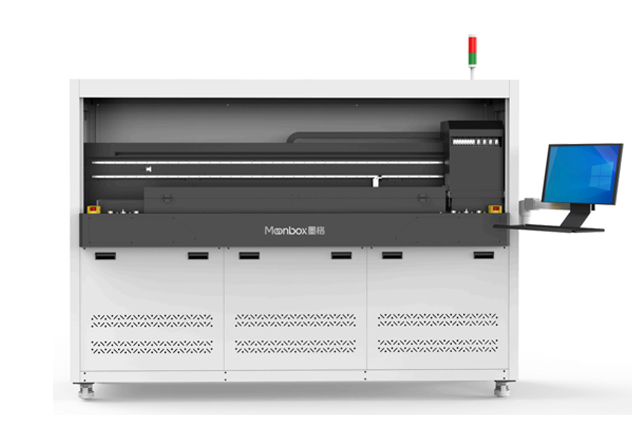
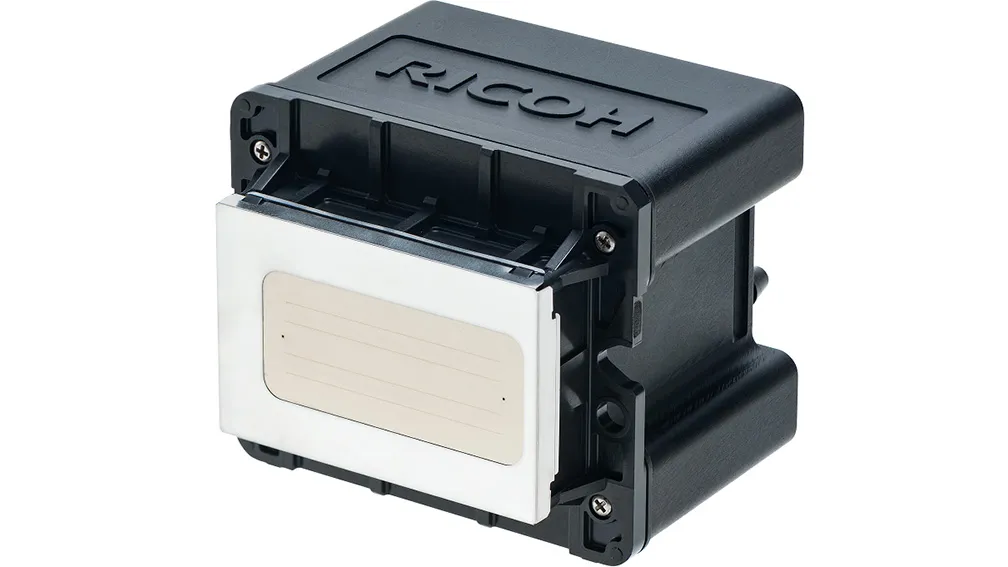
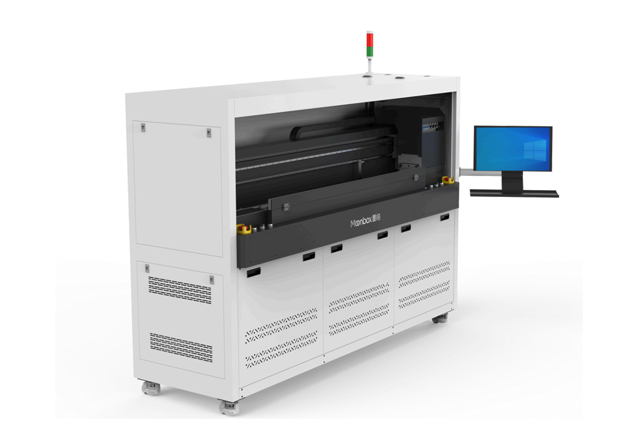
In 2026, more brands are going direct-to-factory for faster innovation, better customization, and tighter cost control. For industrial decoration, packaging prototyping, and short-run personalization, modern printing machines from China's tech hubs are increasingly competitive — especially when paired with reliable UV ink for inkjet printer applications. This guide explains why this sourcing shift is accelerating and how to evaluate suppliers, machines, and inks for global deployment.
| System Variable | What It Affects | Risk of Mismatch |
|---|---|---|
| Printhead compatibility | Ink viscosity and surface tension | Clogging; inconsistent drops; head damage |
| Curing window | Full cure at operating speed and lamp intensity | Under-cure = soft print; over-cure = brittleness |
| Adhesion chemistry | Ink interaction with primer and substrate | Tape test failure; peeling in use |
| Color stability | Consistent pigment loading between batches | Visible color shift across production runs |
What global buyers need: consistent output across multiple sites, predictable curing windows, and stable supply with documented batch traceability.
| Advantage | Buyer Benefit |
|---|---|
| Faster engineering iteration | Customization in 6–10 weeks versus 6 months elsewhere |
| Modular manufacturing | Add rotary axis or conveyor without full redesign |
| Local parts ecosystem | Spare parts available quickly; lower downtime risk |
| Factory-direct pricing | No distributor margin |
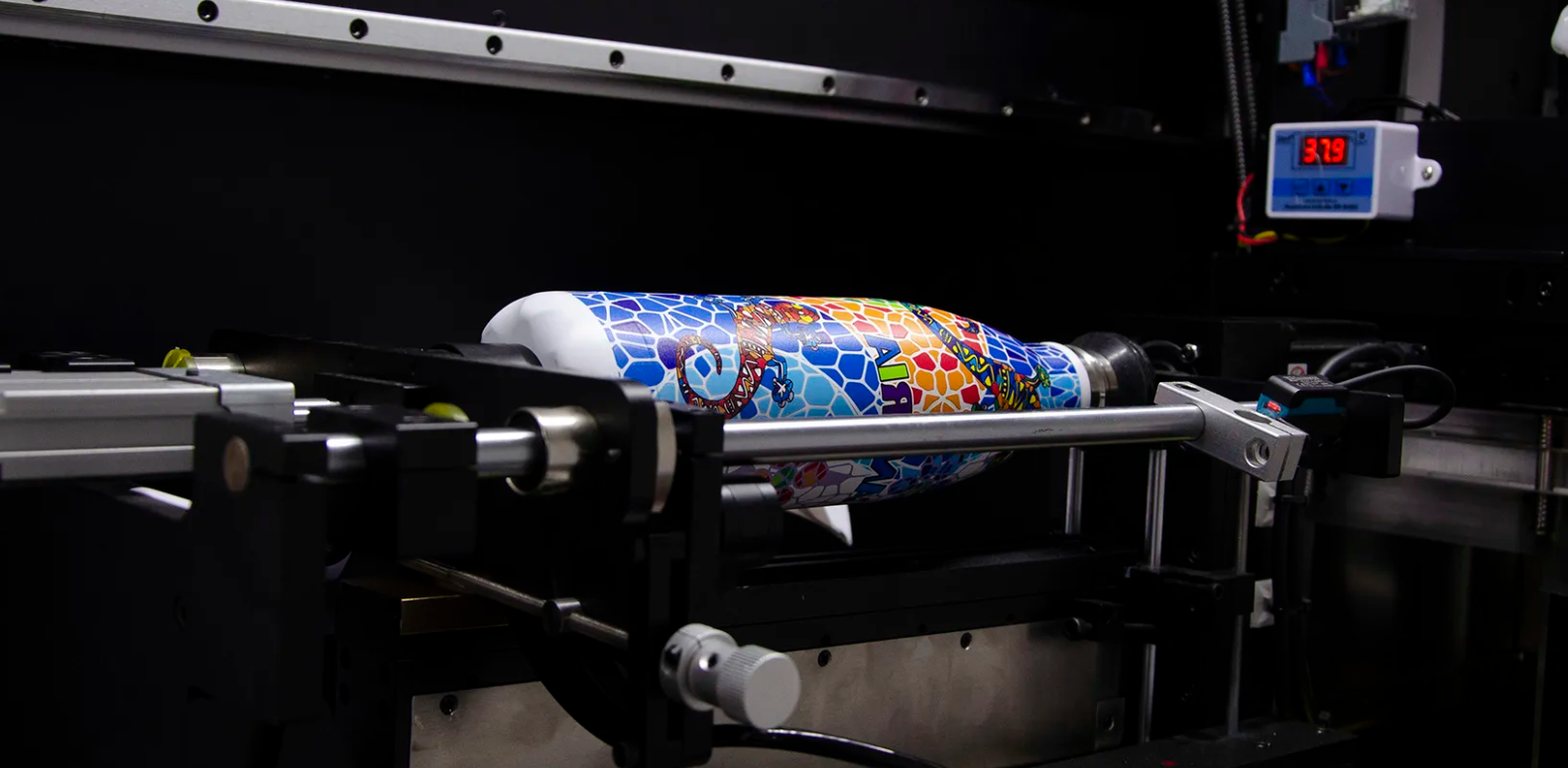
Rotary or cylinder module for bottle and tube printing
Conveyor feed for inline production
Safety enclosures and fume extraction for regulated environments
Custom print area for non-standard substrates
Direct sourcing shortens the path from requirement to working machine — your specifications land directly with the engineering team rather than passing through multiple intermediaries.
| Test | Method | Pass Criteria |
|---|---|---|
| Adhesion | 3M tape test after full cure | No ink removal |
| Rub resistance | 50 dry rubs at 500 g | No visible degradation |
| Curing completeness | Tape test at production press speed | Full cure confirmed |
| Color consistency | Delta E vs. approved standard | Delta E below 2.0 |
| Odor after cure | Enclosed assessment at room temperature | No unacceptable odor |
Safety Data Sheet (SDS) — required for compliance and workplace safety
Technical Data Sheet (TDS) — cure conditions, viscosity, storage
Batch traceability record — links each delivery to production lot
Restricted substance declaration — REACH or relevant market standard
Technical support contact — for press-side troubleshooting
Standardize ink profiles across all production sites before deploying. Variation between sites from different ink batches or profiles creates customer complaints that are difficult and expensive to resolve.
| Area | What to Confirm |
|---|---|
| Manufacturing | In-house vs. subcontracted assembly |
| QA process | Inspection points during assembly and final test |
| Spare parts | Stock held on-site vs. made to order |
| Remote diagnostics | Faults diagnosable without on-site visit |
Before any machine ships, require a written FAT covering:
Print quality test on your substrates at operating speed
All mechanical and electrical functions verified
All ink channels firing; no banding; cure confirmed at rated lamp intensity
Sample prints retained as acceptance reference
Documentation: test records, wiring diagrams, maintenance schedule, operator manual
Installation and operator training included — not optional extras
Operator SOPs documented in the local language before handover
Spare parts kit for 12 months shipped with the machine
Warranty terms specify response time for production-stopping faults
The machine is a one-time cost. Ink compounds across every production hour for the machine's life. Small differences in yield, maintenance interval, and nozzle health have larger long-term financial impact than the initial price difference between machines.
| Cost Driver | How to Optimize |
|---|---|
| Ink yield per ml | Request consumption data at your typical coverage |
| Maintenance interval | Confirm cleaning frequency at your operating temperature |
| Nozzle health | Request printhead compatibility and warranty implications |
| Cleaning solvent | Confirm recommended specification to prevent contamination |
Confirm the supplier can maintain consistent batch-to-batch ink for the expected machine life (minimum 5 years)
Ask about regional warehousing in your target markets to reduce reorder lead time
Standardize the same ink SKUs, profiles, and RIP settings across all sites — this is the most effective way to maintain consistent output globally
Direct-to-factory sourcing aligns with how global brands compete in 2026 — faster cycles, more customization, and better cost efficiency. Success depends on evaluating the complete ecosystem: printing machines that are properly accepted and supported, paired with UV ink for inkjet printer applications that is proven on your substrates, documented for compliance, and reliably available at production volumes.
Q1: Why are global brands sourcing printing machines directly from China in 2026?
Faster innovation cycles, deeper customization options, and competitive cost-to-performance — particularly for UV and digital printing where China's manufacturing clusters have strong engineering and supply chain density that shortens the path from requirement to production machine.
Q2: Why does UV ink for inkjet printer selection matter as much as the machine?
Ink determines adhesion, durability, curing behavior, color accuracy, and printhead longevity. A machine with incompatible or inconsistent ink underperforms regardless of hardware quality. System-level compatibility is what drives real production stability.
Q3: What should I verify before buying printing machines direct-to-factory?
Factory QA process, acceptance test with print trials on your actual substrates, spare parts availability and lead time, remote diagnostics capability, and confirmation that installation, training, and operator documentation are included.
Q4: How do I reduce risk across multi-country deployments?
Standardize ink formulations and color profiles across all sites, document SOPs in local languages, ship spare parts kits with each machine, require remote diagnostic capability, and confirm warranty response time commitments per deployment location.
Q5: What tests validate UV ink for inkjet printer performance?
Tape adhesion after full cure, dry rub at 500 g for 50 cycles, curing completeness at operating press speed, Delta E color consistency below 2.0 across batches, odor evaluation after aging, and chemical resistance where the application requires it.


 English