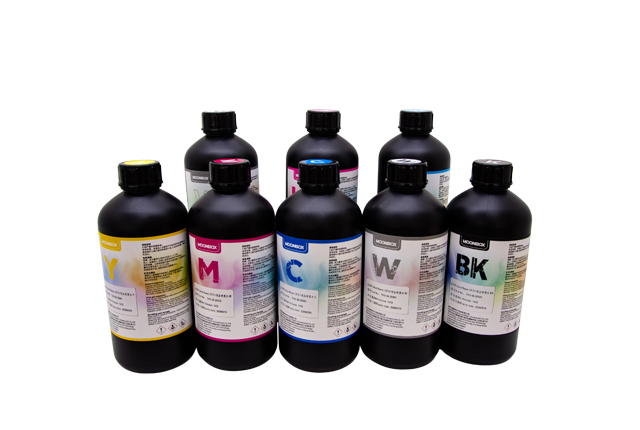
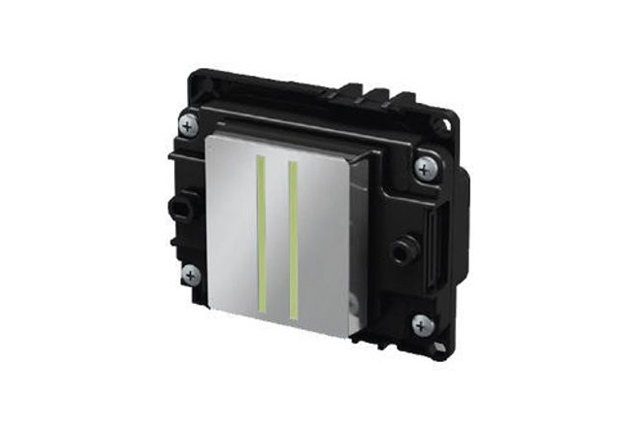
The growing importance of sustainability in various industries has placed a spotlight on the environmental impact of printing technologies. Epson F1080 A1 inkjet printing supplies have gained widespread adoption due to their ability to produce high-quality, detailed prints efficiently. However, as more businesses adopt this technology, it is essential to examine the environmental footprint of the Epson F1080 inkjet printing supplies. This article delves into the environmental impact of these supplies, including ink types, waste management, and how companies can take steps to mitigate negative effects on the environment.
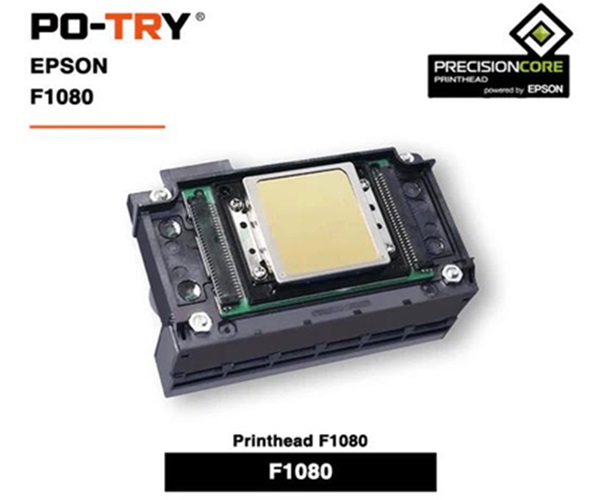
Epson F1080 A1 inkjet printing supplies are designed with sustainability in mind, as Epson continuously works to minimize the environmental impact of its products. The use of water-based ink in the Epson F1080 is one of the key environmental advantages. Unlike solvent-based inks, which emit volatile organic compounds (VOCs) into the air, water-based inks produce significantly fewer pollutants. This makes Epson F1080 supplies a more eco-friendly choice for printing applications, reducing the negative effects on air quality and helping businesses adhere to environmental regulations. Additionally, water-based inks are less harmful to the user, contributing to a safer work environment in industries that rely on high-volume printing.
One of the challenges of modern printing technologies is managing waste effectively. Traditional printing methods often produce a significant amount of waste, both in terms of ink and materials. However, Epson F1080 A1 inkjet printing supplies offer a more sustainable approach. The precision of inkjet printing minimizes ink wastage, as it allows for more accurate application on the media, reducing the likelihood of spills or misprints. Furthermore, Epson has designed its printing systems to use ink more efficiently, which decreases the overall consumption of ink and reduces environmental impact. The high efficiency of the Epson F1080 A1 also means that fewer cartridges and supplies are needed over time, contributing to a decrease in landfill waste.
Recycling is a critical component of reducing the environmental impact of printing supplies, and the Epson F1080 A1 system offers solutions that help businesses manage their waste responsibly. Epson's commitment to sustainability extends to its ink cartridges, which are designed with recycling in mind. The Epson F1080 A1 inkjet printing supplies are compatible with Epson's cartridge recycling programs, which encourage the responsible disposal and reuse of components. This helps reduce the amount of plastic and metal that ends up in landfills and supports a circular economy. Additionally, by using recyclable materials in the ink cartridges, Epson minimizes the use of virgin plastic, reducing its carbon footprint. For businesses seeking sustainable options in direct-to-object printing, our commercial uv printer line similarly prioritizes eco-friendly operation with energy-efficient UV LED curing and low-VOC ink formulations.

The environmental impact of printing is not limited to materials and waste but extends to energy consumption. Traditional printers, especially those that rely on solvent-based inks, often require more energy to heat the printheads and dry the prints. In contrast, the Epson F1080 A1 inkjet printing supplies use advanced inkjet technology that requires less energy to operate. The Epson F1080 is designed to work efficiently at high speeds while using a fraction of the energy that older, less efficient systems consume. For cylindrical object printing applications, our uv cylindrical printer similarly incorporates energy-efficient UV LED curing technology that consumes less power than conventional mercury lamp systems. This energy efficiency reduces the printer's overall carbon footprint, making it a more sustainable choice for businesses looking to minimize their environmental impact. As energy consumption is a significant factor in environmental sustainability, this feature of the Epson F1080 A1 is vital in helping companies lower their operational footprint.
When comparing Epson F1080 A1 inkjet printing supplies with traditional printing methods, several key advantages emerge in terms of environmental sustainability. Below is a summary of the Epson F1080 A1 inkjet printing supplies advantages:
Feature | Epson F1080 A1 Inkjet Printing Supplies |
Ink Type | Water-based, eco-friendly, minimal VOCs |
Waste Generation | Reduced ink wastage, precise printing |
Energy Consumption | Lower energy usage, more efficient operation |
Recycling Potential | High – recyclable cartridges and materials |
Print Durability | Long-lasting, minimal fading, reduced ink wastage from misprints |
Environmental Impact | Lower carbon footprint, sustainable practices |
As seen in the table, Epson F1080 A1 inkjet printing supplies provide several environmental advantages over traditional printing methods, particularly in areas like waste reduction, energy efficiency, and sustainability. These features contribute to a significantly lower environmental impact, helping businesses adopt greener practices while maintaining high-quality output.
As the demand for eco-friendly products continues to grow, Epson F1080 A1 inkjet printing supplies are expected to evolve with even greater sustainability features. The future of printing supplies will likely see the development of inks with even fewer environmental impacts, such as biodegradable or plant-based inks. Additionally, Epson's continued research into energy-efficient printing technology promises further reductions in the carbon footprint of printers like the Epson F1080 A1. Innovations in recycling programs and more sustainable manufacturing processes will also contribute to a greener future for the printing industry. As these trends emerge, Epson F1080 A1 inkjet printing supplies will continue to play a crucial role in helping businesses adopt more sustainable practices.
In conclusion, the Epson F1080 A1 inkjet printing supplies offer significant environmental benefits by reducing waste, energy consumption, and harmful emissions compared to traditional printing methods. Through sustainable ink choices, efficient use of materials, and commitment to recycling, Epson is paving the way for more eco-friendly printing technologies. As businesses seek to reduce their environmental impact, the Epson F1080 A1 presents a viable and responsible option for high-quality, sustainable printing.
References:


 English